By Lauren Calicchia, HBSc., MD Student, University of Toronto
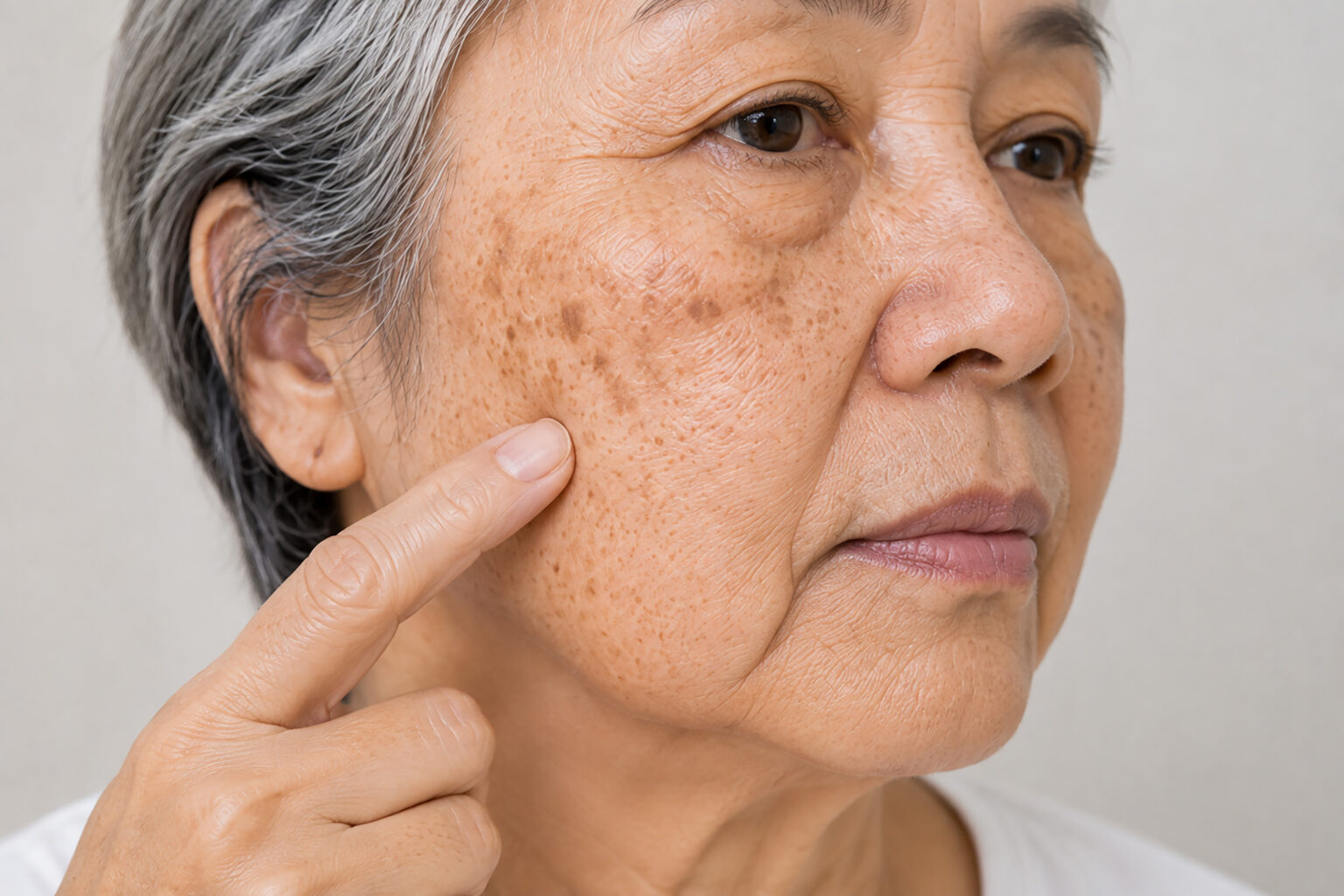
As we age, our skin goes through normal changes, often resulting in the appearance of new spots. Most of these marks are harmless. However, not every new spot is “just an age spot”, and there are some skin cancers that are common and highly treatable when caught early, making it important to know what to look for. Through this guide, we hope to help you get to know your skin, notice the subtle changes, and check in with a trusted health provider when needed.
Why Does Skin Awareness Matter?
Over time, sun exposure accumulates and creates skin changes later in life that reflects the accumulation of UV exposure. That same exposure is also one of the main reasons why skin cancers get more common as we age. The good news is that many skin cancers are highly treatable when they are found early.1
It’s also important to remember that knowing your skin doesn’t mean worrying about every new freckle or spot. It means understanding what is typical for you and being able to recognize when something new or changing may need to be checked by a healthcare provider.
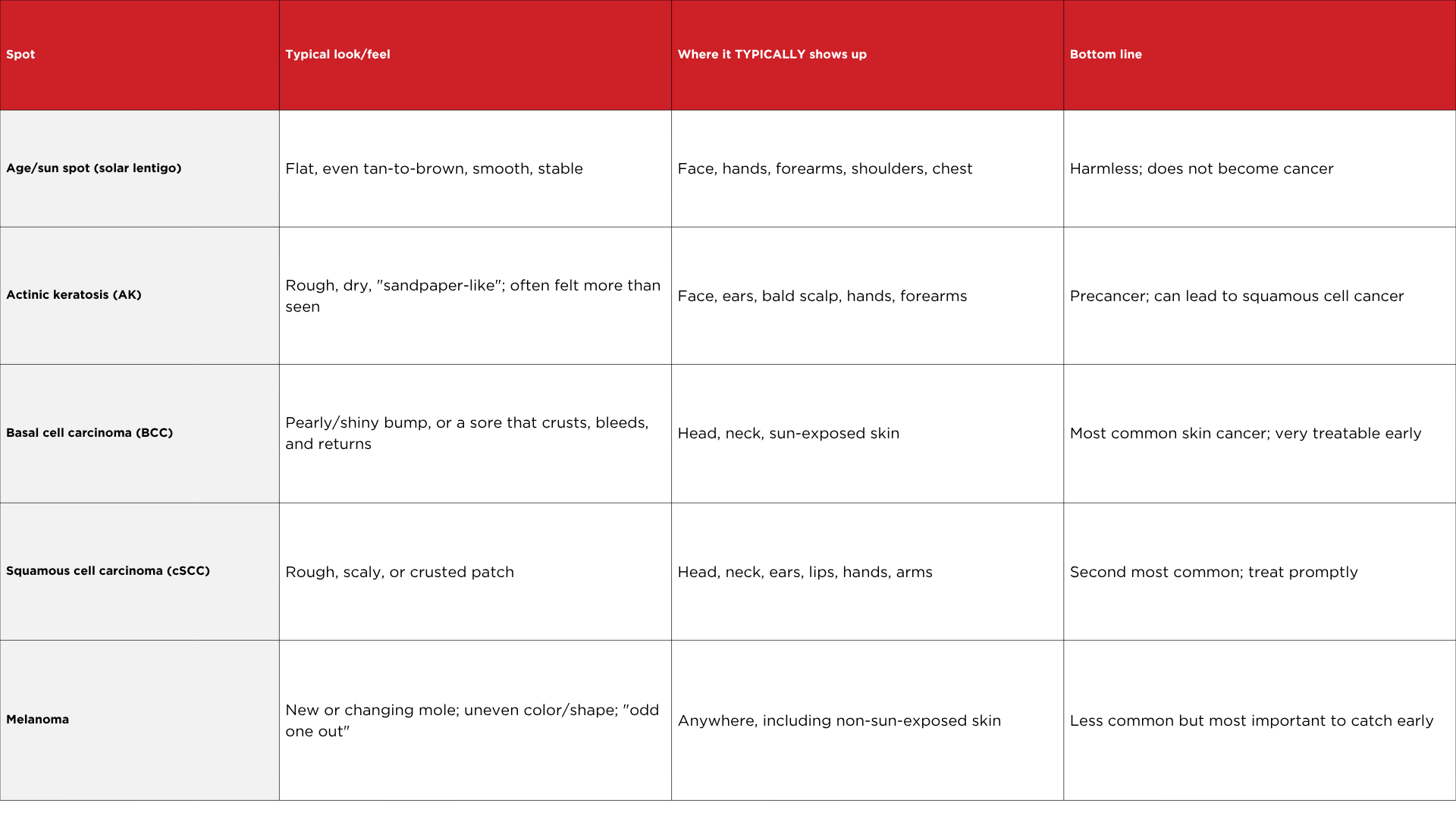
A Quick Summary Table
The table below is a simple orientation to different types of spots, not a diagnosis or medical advice. Any spot that concerns you should be evaluated in person by a healthcare professional or certified dermatologist.
Who Is at Higher Risk?
Skin cancer can affect anyone. However, there are risk factors that are important to keep in mind as you check your skin. The following list is not exhaustive, but provides some insight into the types of things that put people at a higher risk for abnormal/cancerous moles:1,2
- Fair skin that burns easily.
- A history of sunburns and/or significant lifetime sun exposure.
- A history of indoor tanning (tanning beds)
- Many moles or atypical moles (typically 50+ moles).
- A personal or family history of skin cancer
- A weakened immune system (e.g., after an organ transplant or with certain medications).
Age is a risk factor as well because sun damage accumulates over one’s lifetime.1,3 Having one or more of these risk factors does not mean a spot is cancer, it simply means skin awareness and sun protection are especially worthwhile to think about.
Age Spots (Solar Lentigo)
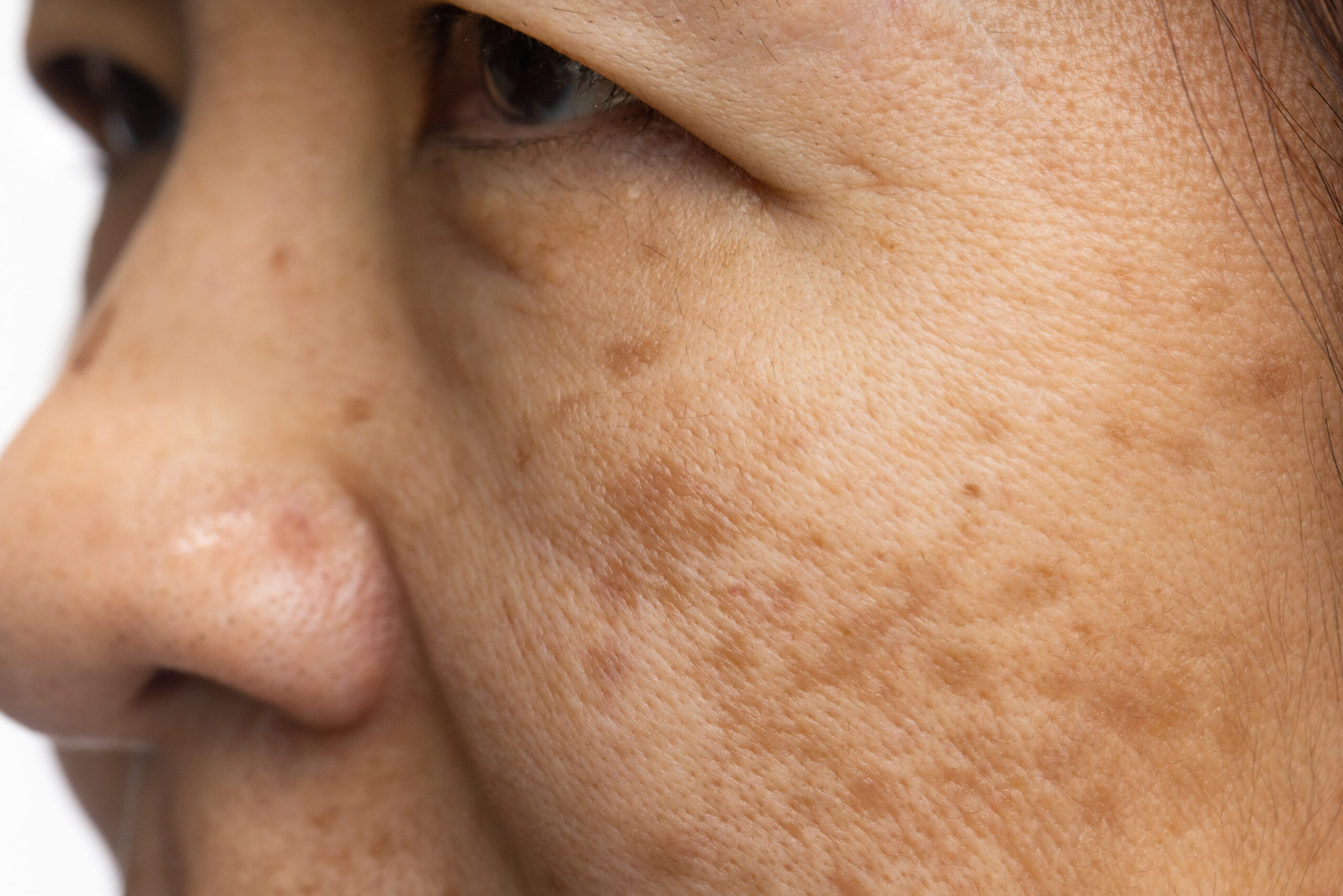
Solar lentigo are what people think about when they refer to classic “age spots.” These are:
- flat, stable (do not change over time),
- tan/brown spots with a well-defined border.4
They are usually located on areas that have been exposed to the most sun over time, such as the face, backs of the hands, forearms, shoulders, and chest. They are due to sun exposure and are non-cancerous. The main issue regarding these spots is cosmetic, but also represent a sign of photoaging, serving as a signal to pay closer attention to any other skin changes.5
Actinic Keratosis (AK)
Actinic keratoses are often described as “sandpaper-like” in terms of texture.6 They are:
rough, scaly patches also caused by sun exposure, specifically by UV damage over time. They also occur in sun-exposed areas such as the face, bald scalp, neck, and backs of the hands. They range in colour from skin-coloured, pink, or even red.6 AKs are important as they are a warning sign of sun damage and can, over time, develop into a squamous cell skin cancer. The risk that an AK turns into squamous cell carcinoma in any given year is low, but their presence should serve as a signal that your skin deserves increased attention. AKs are easily treated once identified.1,6
Basal Cell Carcinoma (BCC)
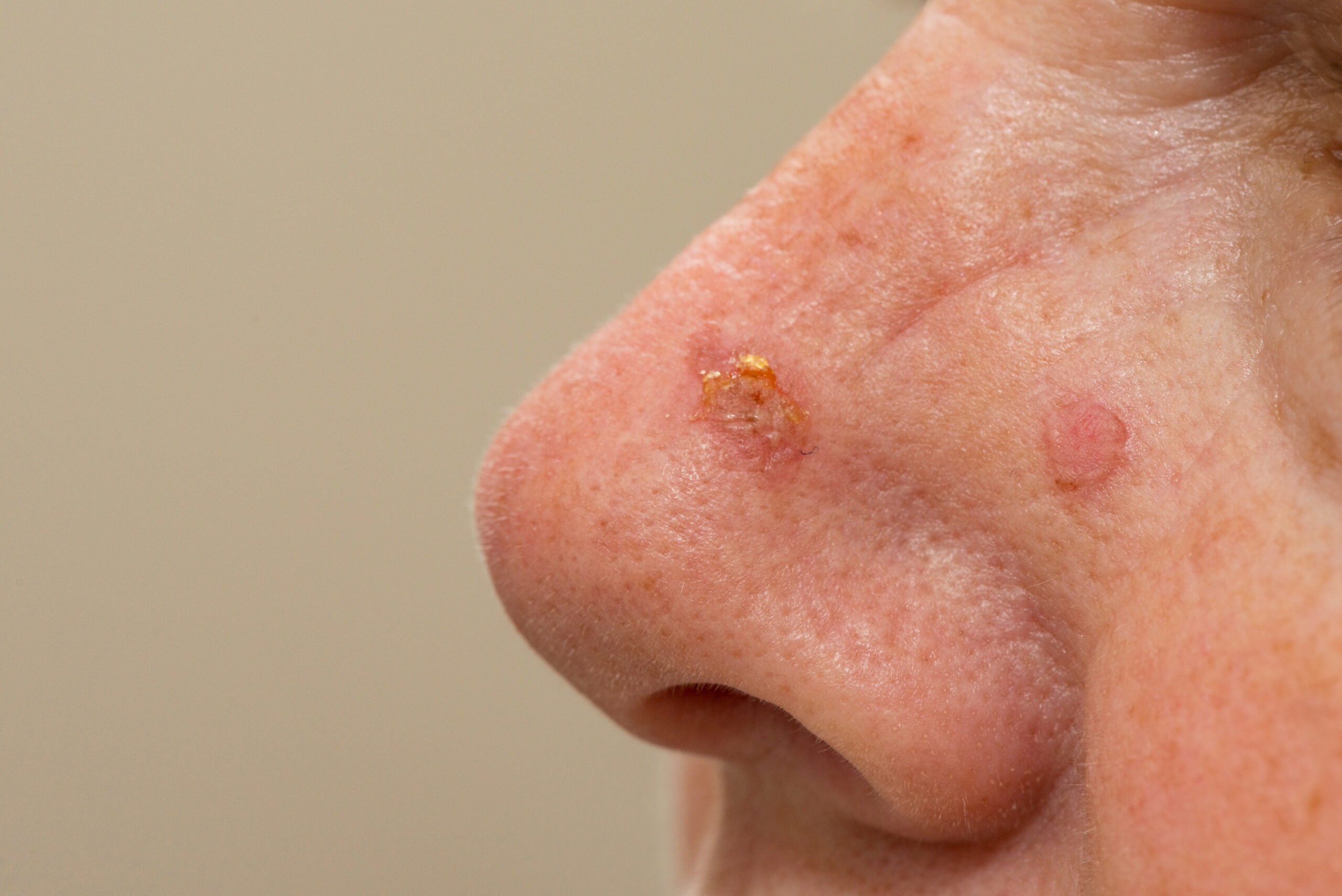
Basal cell carcinoma (BCC) is the most common skin cancer worldwide. It is very slow growing and rarely spreads to other areas of the body. However, it should still be treated as it can damage nearby skin if it is ignored. It most commonly appears in sun-exposed areas such as the head, neck, and face.1 It often looks like a pearly, shiny, or translucent bump, sometimes pink and sometimes with tiny visible blood vessels. However, it can also take on other appearances such as a scar-like or waxy white area you do not remember injuring.1
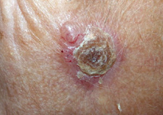
view more images of BCC
Cutaneous Squamous Cell Carcinoma (cSCC)
Cutaneous squamous cell carcinoma cSCC is the second most common type of skin cancer. It also typically appears in sun exposed areas such as the head, neck, lips, and ears. It can appear on its own or sometimes develop from an untreated actinic keratosis.1 It can look like a rough, scaly, or crusted patch that does not go away, but can manifest in other forms such as a red lesion or a sore that bleeds or will not heal. Since it can grow and (less commonly) spread, a rapidly growing rough spot should be looked at promptly.1
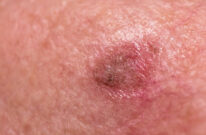
Melanoma
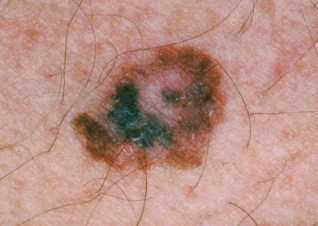
Melanoma is less common than the skin cancers above, but it is very important to find early because it is the most likely to spread to other parts of the body. It can appear as a new spot or as a change in an existing mole. Two simple tools help you recognize a concerning spot.
- The ABCDEs of melanoma (any one of these is a reason to get it checked):
- Asymmetry: One half of the mole does not match the other half.
- Border: Edges are irregular or blurred.
- Color: More than one color, or uneven shades of a certain colour.
- Diameter: Larger than about 6 mm (a pencil eraser), though melanomas can be smaller.
- Evolving: A spot changing in size, shape, or color.7
- The “ugly duckling” sign: Most of your moles tend to resemble one another. An “ugly duckling” is the spot that stands out and looks or behaves differently from your other moles.3
When to Get a Spot Checked
It is normal to accumulate more spots with age, so you do not need to worry about everyone. Do reach out to your healthcare practitioner, doctor, or dermatologist about a spot that is new and does not go away, changing in size or colour, or a sore that will not heal (or heals and returns).
Healthy Aging Means Protecting Your Skin
Sun protection still helps at every age and is one of the simplest ways to lower skin cancer risk.1 Simple habits include:
- Use a broad-spectrum sunscreen (protects against both UVA and UVB) with SPF 50+; reapply about every 2 hours.
- Seek shade during peak sun hours (about 10 a.m. to 2 p.m.).
- Wear a wide-brimmed hat, sunglasses, and sun-protective clothing.
- Avoid indoor tanning beds.
- When in doubt, get it checked. Skin cancers found early are usually straightforward to treat.
Get to Know Your Skin
Take a few minutes every so often to look at your skin, including areas that are easy to miss such as your scalp, back, and ears. A mirror or a trusted person can also help you check. The point is not to memorize every freckle, but to become familiar enough with your skin that you notice when something changes.
Skin Check Reminder
Sign up for our monthly skin check reminder to make this a simple, regular habit. Sign Up
Questions About Your Skin?
If you have questions about a spot or seeking assistance for your skin health, please reach out to our support contact support@melanomacanada.ca, we are glad to help.
This article is for general education and is not a substitute for evaluation by a healthcare professional.

About the Author Lauren Calicchia is a medical student at the Temerty Faculty of Medicine, University of Toronto. She earned her Honours Bachelor of Sciences from Wilfrid Laurier University and has been involved in clinical research with a focus on dermatology, patient education, and health communication. Passionate about making medical information accessible, Lauren works to translate complex medical evidence into clear, practical resources for patients and the public. As a volunteer with Melanoma Canada, she contributes educational content to support skin cancer awareness and patient education.
References
- Wehner, M. R. (2026). Keratinocyte carcinoma. JAMA, 335(1), 70. https://doi.org/10.1001/jama.2025.18749
- Perkins A, Duffy RL. Atypical moles: diagnosis and management. Am Fam Physician. 2015;91(11):762-767.
- US Preventive Services Task Force. (2023). Screening for skin cancer. JAMA, 329(15), 1290. https://doi.org/10.1001/jama.2023.4342
- Praetorius, C., Sturm, R. A., & Steingrimsson, E. (2014). Sun‐induced Freckling: Ephelides and solar lentigines. Pigment Cell & Melanoma Research, 27(3), 339–350. https://doi.org/10.1111/pcmr.12232
- Mardani, G., Nasiri, M. J., Namazi, N., Farshchian, M., & Abdollahimajd, F. (2025). Treatment of solar lentigines: A systematic review of Clinical Trials. Journal of Cosmetic Dermatology, 24(4). https://doi.org/10.1111/jocd.70133
- Actinic keratosis: Signs and symptoms. American Academy of Dermatology. (n.d.). https://www.aad.org/public/diseases/skin-cancer/actinic-keratosis-symptoms
- Melanoma Canada. (2025, August 6). Detect melanoma, learn how to spot melanoma abcdes. https://melanomacanada.ca/understanding-skin-cancer/melanoma/melanomadetection/