By Kamryn Butler
Recent trends and widespread misinformation on social media — including false claims about sunscreen and the promotion of tanning routines marketed as “healthy” — have discouraged sun-safety practices and encouraged tanning among teens. The truth is simple and important: there is no such thing as a safe or healthy tan.
In this article, you will learn:
- The science behind a tan
- Why there is no such thing as a safe tan
- The dangers of tanning beds
- Safe alternatives to tanning
The Science Behind a Tan
Skin contains melanin, the pigment responsible for skin colour. When skin is exposed to ultraviolet (UV) radiation from the sun or tanning beds, DNA damage occurs within skin cells. In response to this damage, the skin produces more melanin in an attempt to protect itself from further injury. This explains why a tan is not a sign of health — it is the skin’s visible response to damage.
Why There Is No Such Thing as a Safe Tan
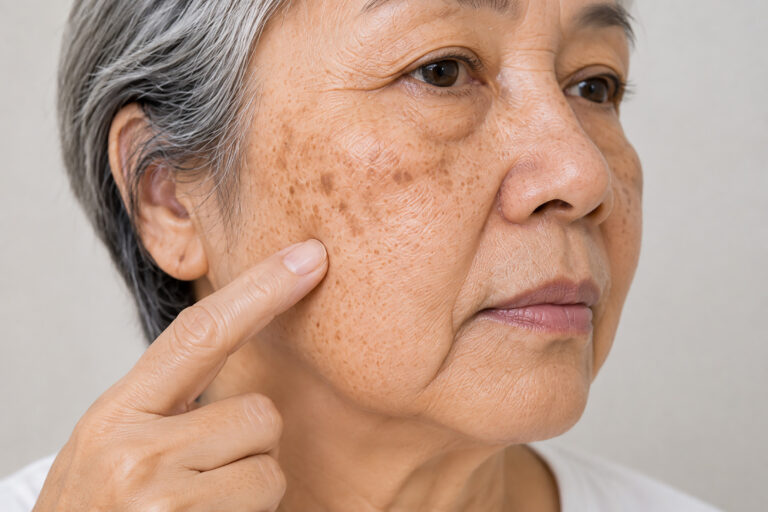
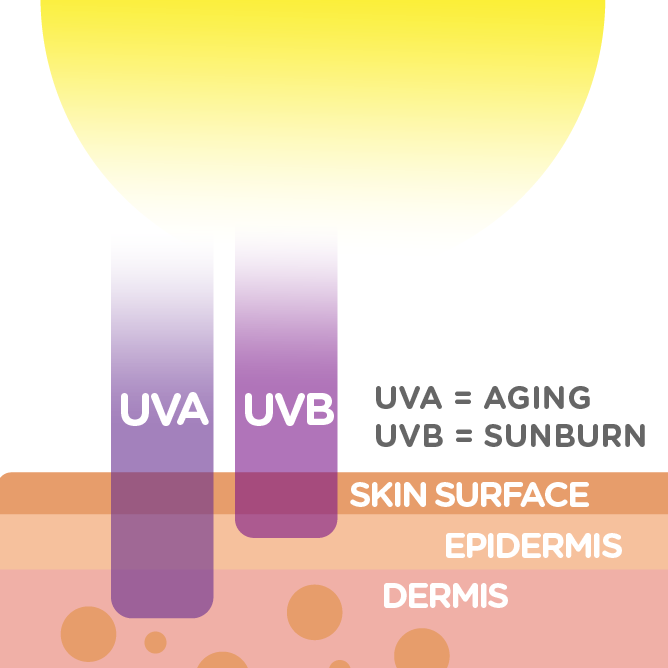
Whether a tan comes from natural sunlight or a tanning bed, all tanning is the result of UV exposure and skin damage. UV radiation — including ultraviolet A (UVA) and ultraviolet B (UVB) rays — increases the risk of sunburn, premature skin aging (such as wrinkles and dark spots), eye damage, and both melanoma and non-melanoma skin cancers. There is no level of UV exposure that safely produces a tan.
The Dangers of Tanning Beds
A common misconception is that a “base tan” from a tanning bed can protect the skin from burning. A tan provides little to no protection against sunburn. Tanning beds can expose users to up to five times more UV radiation than the sun, and early exposure significantly increases health risks. Studies show that using tanning beds at a young age can increase the risk of developing melanoma by up to 75%.
Due to these serious risks, UV-emitting tanning devices are classified as carcinogenic to humans (Group 1) by the International Agency for Research on Cancer (IARC).
Safe Alternatives to Tanning
There are many sunless tanning options that allow people to achieve the appearance of a tan without the risks associated with UV exposure. Products such as bronzers and self-tanners are considered safe when used as directed and do not cause DNA damage.
However, it is important to remember that these products do not protect the skin from UV rays. Regardless of whether sunless tanning products are used, proper sun protection remains essential. Choose a broad-spectrum sunscreen that protects against both UVA and UVB rays with an SPF of 50 or higher and reapply every two hours or after swimming or sweating
____________________________________________________________
Resources
- Melanoma Canada — Tanning Beds
-
- Canadian Cancer Society — Tanning Is Out
- Canadian Pediatric Society — Tanning
- Radiation Safety Institute of Canada — Baked, Not Beautiful
- CBC — Tans Are Not Healthy